

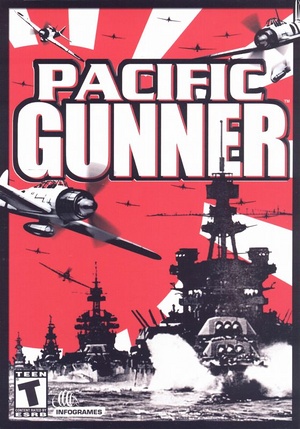
New players often get caught up in the excitement of Pacific Gunner, making costly mistakes that drain resources and hinder progress.
Here's how to avoid these rookie errors and improve your gameplay.
Common Mistakes in Pacific Gunner
Poor Positioning: A Recipe for Disaster
Many new players struggle with positioning, failing to account for their ship’s strengths and weaknesses – and the terrain they’re fighting on.
For example, when piloting a Gunner class ship, latch onto enemy vessels with weak armor to maximize damage output. Conversely, Destroyers excel at long-range combat: keep a safe distance to unleash your firepower.
- Avoid head-on collisions – they invite disaster.
- Use cover and concealment to stay ahead of enemy blaster fire.
- Monitor your ship’s speed and maneuverability, ready to reposition at a moment’s notice.
Tips for Effective Positioning
Mastering positioning in Pacific Gunner requires a combination of strategy and situational awareness. Here are some key takeaways:
- Study the map before each battle: familiarize yourself with the terrain, enemy positions, and potential hiding spots.
- Pay attention to your ship’s speed and maneuverability – adjust your positioning accordingly.
- Use your ship’s strengths to outmaneuver your opponents: if you have a high-speed ship, use it to flank or chase down enemies.
It’s also essential to understand the unique characteristics of each ship class. For instance, Gunner ships excel at close-range combat due to their high damage output and rapid fire rate. However, they often lack the armor and shields to withstand prolonged battles. On the other hand, Destroyers are designed for long-range combat, with improved accuracy and penetration capabilities.
- Know your ship’s strengths and weaknesses before engaging in battle.
- Use cover and concealment to stay ahead of enemy blaster fire.
- Monitor your ship’s speed and maneuverability, ready to reposition at a moment’s notice.
Positioning Strategies for Different Ship Classes
Gunner ships are ideal for close-range combat, but they require careful positioning to avoid taking unnecessary damage. Destroyers, on the other hand, excel at long-range combat and can take advantage of their improved accuracy and penetration capabilities.
- Use your ship’s strengths to outmaneuver your opponents: if you have a high-speed ship, use it to flank or chase down enemies.
- Keep a safe distance from enemy vessels with strong armor – it’s better to pick them off one by one rather than risking a head-on collision.
Inadequate Resource Management: A Critical Flaw

Ammo and fuel are crucial for survival in Pacific Gunner. Yet many new players neglect resource management, leaving themselves vulnerable to costly mistakes.
Scavenge resources from defeated enemies to keep your ammo and fuel topped up. Conserve precious ammo by dodging enemy fire or targeting weak spots. Plan ahead for battles based on your ship’s needs – anticipate what you’ll need next, not just what you have now.
- Supply management is key: scrounge resources from defeated enemies to stay ahead.
- Use your ammo and fuel wisely during battles – save critical hits for when they count.
- Anticipate your ship’s needs in upcoming battles, and plan accordingly.
Resource Management Strategies
A well-managed resource pool is essential to success in Pacific Gunner. Here are some strategies to help you stay ahead:
- Keep a balanced resource loadout: ensure you have enough ammo and fuel for each battle, without overloading your ship.
- Scavenge resources from defeated enemies – it’s a great way to top up your supplies.
- Plan ahead for battles based on your ship’s needs – anticipate what you’ll need next, not just what you have now.
One of the most critical aspects of resource management is anticipating your ship’s needs. This requires a deep understanding of your ship’s capabilities and limitations. For example, if you’re piloting a Gunner class ship, you’ll need to conserve ammo for the initial burst of damage. Conversely, if you’re flying a Destroyer, you can afford to spend more ammo on sustained fire.
Lack of Adaptability: Don’t Get Stuck
Pacific Gunner demands flexibility and adaptability. New players who stick to a single playstyle or strategy are doomed for burnout – and decreased performance.
Be willing to switch up your tactics mid-battle if they’re not working out. Experiment with different ship classes until you find the right fit. Anticipate changing circumstances during battles – adapt, or get left behind.
- Stay flexible: adjust your tactics on the fly, and don’t be afraid to change course when things aren’t working.
- Don’t be a one-trick pony: try new strategies and experiment with different ship classes until you find what works best for you.
- Anticipate upcoming battles, plan accordingly, and stay ahead of the game.
Adapting to Changing Circumstances
Pacific Gunner is a dynamic game that requires adaptability. Here are some tips to help you adjust your strategy mid-battle:
- Pay attention to enemy movements and tactics – adjust your strategy accordingly.
- Use your ship’s strengths to outmaneuver your opponents: if you have a high-speed ship, use it to flank or chase down enemies.
- Don’t be afraid to change course when things aren’t working – adaptability is key to success in Pacific Gunner.
It’s also essential to stay focused on the bigger picture. Don’t get caught up in individual battles; instead, keep an eye on your overall resource management and positioning strategy. This will help you make informed decisions and adjust your tactics accordingly.
✅ Verdict
Don't let these rookie mistakes hold you back. By avoiding common pitfalls, you'll enjoy a more satisfying experience in Pacific Gunner.
 Jakeyy
 Olatunde-Bada
 Andrej