

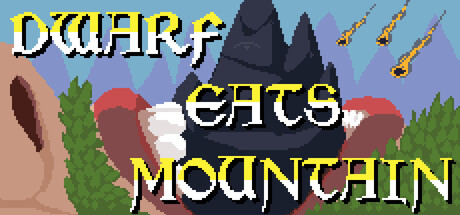
Dwarf Eats Mountain: Where Did It Go Wrong?
Steam's recent discussion thread has sparked controversy over the developer's marketing approach. Key points of contention include early access keys handed out to YouTubers and a perceived mismatch between the demo and full game content.
The Exclusive Demo Key Debacle
Popular YouTubers received exclusive demo keys, leaving many players feeling shortchanged. Some see it as favoritism towards bigger streamers and community creators.
Celestial Horizon’s inclusive demo distribution strategy stands in stark contrast to Dwarf Eats Mountain’s approach, sparking outrage among players who feel overlooked.
The Unfair Advantage
By giving exclusive access to a select few, the developer inadvertently created an uneven playing field. This move has led some to question the value of community engagement and the role it plays in shaping game development.
As a result, many players feel that their voices are not being heard, and that the developer is more interested in catering to influencers than its core audience.
This raises questions about the impact of exclusive demo keys on the gaming community. Do they create an unfair advantage for select few, or do they provide valuable feedback for developers? The debate continues among gamers and industry experts alike.
The Impact on Community Trust
When a developer prioritizes influencers over their core audience, it can lead to a breakdown in trust within the community. Players may feel that their opinions and concerns are not being taken seriously, leading to frustration and disillusionment with the game.
This is particularly concerning for indie developers who rely on their community’s support to succeed. By neglecting their core audience, Dwarf Eats Mountain has missed an opportunity to build a loyal fan base that would have helped them navigate the challenges of game development.
The Demo Disappointment
While some enjoyed the demo, many others were left disappointed by the full game. Players are questioning the accuracy of demos and whether developers set realistic expectations.
Comments reveal frustration with ‘false promises’ made through marketing materials. This has led some to doubt the reliability of game trailers as an indicator of gameplay quality.
The Developer’s Wake-Up Call
This controversy serves as a reminder for developers: building trust with their community is crucial. By listening to feedback and addressing concerns, they can avoid similar situations in the future.
It’s essential for game developers to strike a balance between marketing strategies and community engagement. By prioritizing transparency and inclusivity, they can foster a loyal fan base that will support them throughout the development process.
The Dwarf Eats Mountain Discussion: A Cautionary Tale
This controversy has sparked a broader conversation about the role of demos in game marketing. Some argue that demos should be more representative of the full game, while others believe they are meant to generate hype rather than provide an accurate representation.
Regardless of one’s stance on this issue, it’s clear that the developer’s approach has had unintended consequences. By ignoring the concerns of its community, Dwarf Eats Mountain has become a cautionary tale for developers looking to build trust with their audience.
In related news, our article Demos in Game Marketing: What Developers Need to Know explores the role of demos in game marketing and provides insights on how to create effective demo strategies.
✅ Verdict
The case of Dwarf Eats Mountain serves as a cautionary tale for developers: prioritizing community trust can make all the difference in avoiding a messy situation like this.
 Tafa Mus
 Pritish Samantaray