

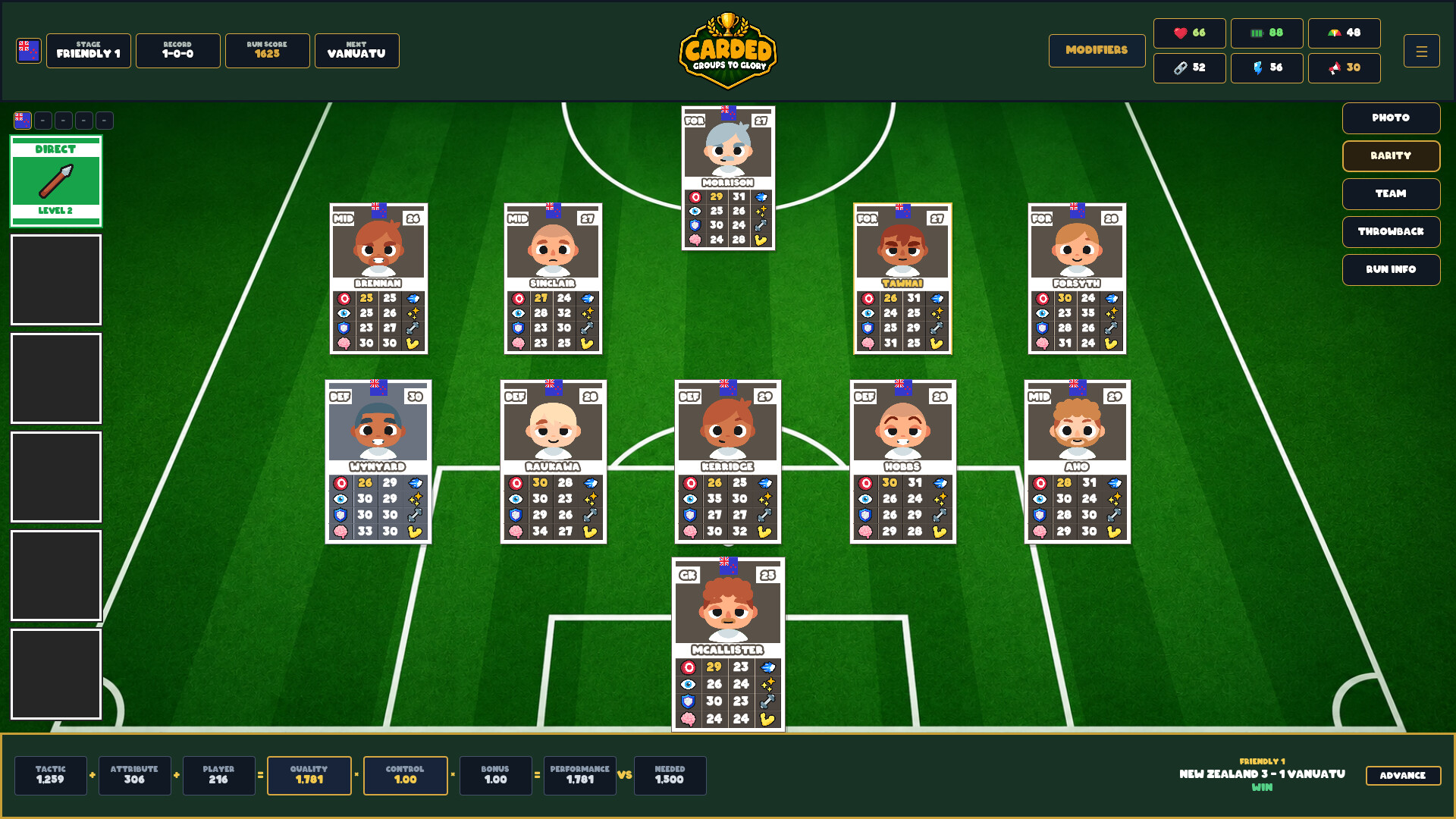
Building a nation into champions is an exercise in strategic frustration.
The game's unique blend of football card roguelite elements and management mechanics requires careful planning – every decision matters, even when it doesn't seem like it should.
Glory – Progression Guide Carded: Groups To
Developing Your Players
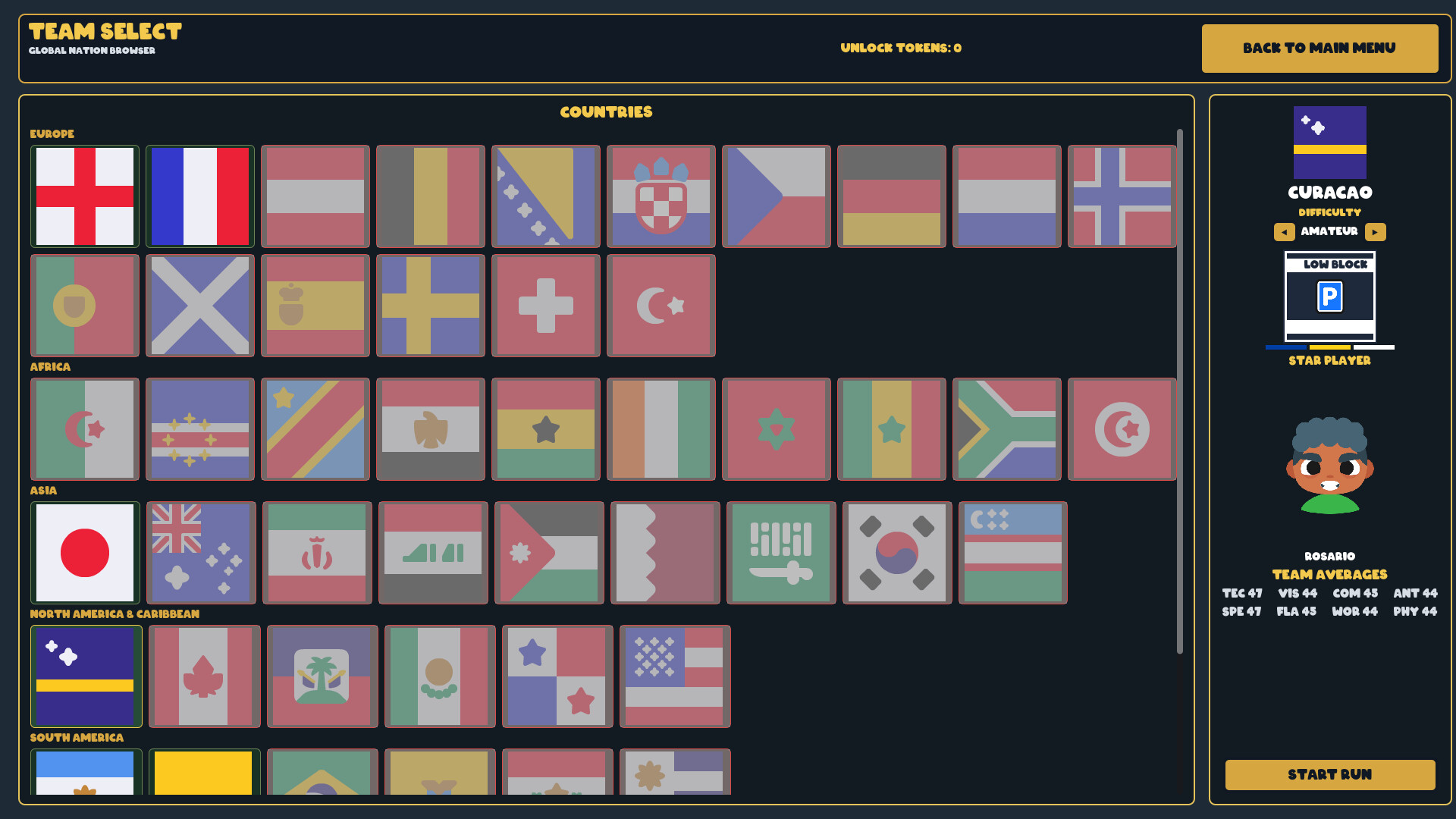 CARDED: Groups to Glory” loading=”lazy”/>
Your players are fragile and prone to injury. As you progress through the game, develop them into well-rounded individuals with unique skills and abilities.
Each player has attributes that determine their performance on the field: speed, strength, agility, technique. Level up your players to increase these attributes, but avoid imbalances in development.
Key Attributes to Focus On
When developing your players, consider their role and position on the field. A striker needs speed, agility, and technique; a defender needs strength, agility, and endurance.
- A goalkeeper who excels in technical skill might struggle with speed and agility, making them better suited for defending against weaker opponents.
Player Development Strategies
To optimize player development, focus on building a balanced team. Allocate resources to improve attributes that are underdeveloped while maintaining overall balance.
For example, if you have a striker with high speed and agility but low technique, consider investing in training programs to improve their technical skills.
- Keep an eye on player morale and satisfaction levels, as these can impact development progress.
Player Attribute Progression
Understanding how each attribute contributes to a player’s overall performance is crucial. For instance:
- Speed: Affects the player’s ability to move quickly around the field and reach opponents’ positions.
- Strength: Determines the player’s power and endurance during tackles, headers, and other physical challenges.
- Agility: Influences the player’s ability to change direction quickly and evade opponents.
- Technique: Affects the player’s ball control, passing accuracy, and shooting ability.
As you level up your players, pay attention to these attributes and adjust your development strategy accordingly. This will help you create a well-rounded team with balanced skills.
Optimizing Player Development
One of the key aspects of player development is identifying areas for improvement and allocating resources effectively. Consider the following strategies:
- Focus on developing players in positions where your team lacks depth or has a high injury risk.
- Prioritize attributes that are crucial to your team’s playing style, such as speed for an attacking team or strength for a defensive team.
Handling Dilemmas
CARDed: Groups to Glory is not just about winning games; it’s also about managing the well-being of your players and staff. Dilemmas arise throughout your journey, requiring tough decisions that impact team morale and performance.
These dilemmas can be related to player injuries, conflicts within the team, or external factors like sponsorships and media attention. How you handle these situations determines team cohesion and success.
Managing Player Injuries
If a key player is injured, decide whether to rest them or risk further injury by playing them. Consider severity, role in the team, and potential consequences of their absence.
- Assigning a backup player can be a temporary solution, but it won’t address underlying issues.
Managing Morale
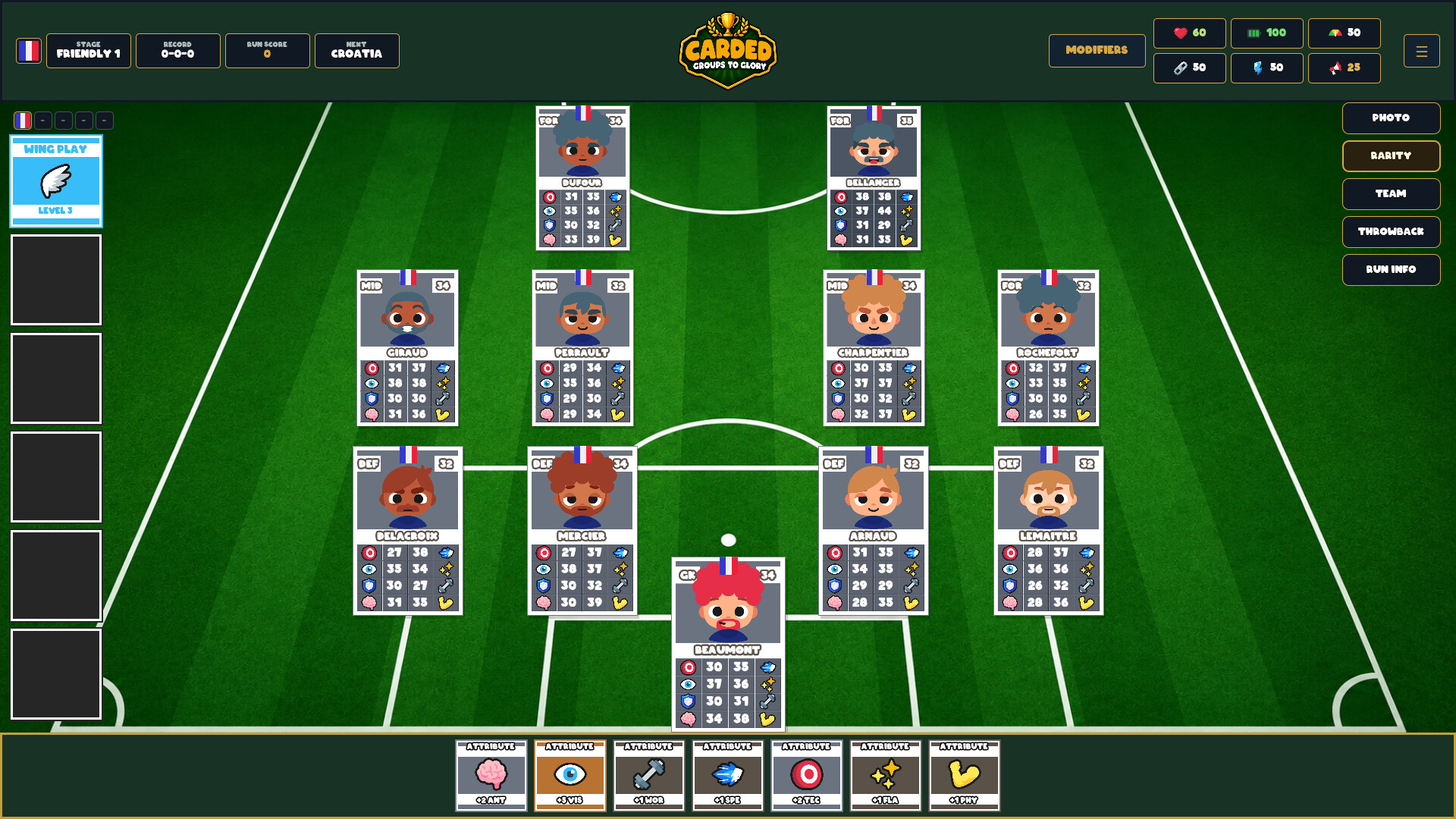
Morale is critical in CARDED: Groups to Glory, directly affecting players’ performance on the field. Keep an eye on morale levels, influenced by factors like player satisfaction, team dynamics, and external pressures.
Allocate resources to maintain healthy morale, ensuring motivated and focused players – neglecting it can lead to decreased performance, injuries, and even player departures.
Maintaining High Morale Levels
To manage morale effectively, consider the needs of your players and staff. Provide suitable facilities, equipment, and resources for high satisfaction levels.
- A recent study showed teams with better facilities had higher morale levels and performed better on the field.
For instance, investing in a new training facility or upgrading existing ones can significantly boost player morale. Similarly, allocating more resources to improve team dynamics through team-building activities or social events can also have a positive impact.
Surviving the Journey
The journey from group stage hopefuls to glory is long and arduous in CARDED: Groups to Glory. Face setbacks, losses, and unexpected challenges that test team resolve and resilience.
Stay adaptable and adjust your strategy as needed to overcome obstacles and capitalize on opportunities – progress is not always linear.
Navigating the Long-Term Strategy
To succeed in CARDED: Groups to Glory, it’s essential to balance short-term goals with long-term planning. Make informed decisions about player development, resource allocation, and team management to achieve sustained success.
- Monitor your progress regularly and adjust your strategy as needed to stay on track.
Long-Term Planning Strategies
One of the key aspects of long-term planning is identifying areas for improvement and allocating resources effectively. Consider the following strategies:
- Prioritize player development over short-term gains, investing in training programs and facilities to improve team performance.
- Develop a strong squad rotation system, ensuring that players are given adequate rest and recovery time to maintain their performance levels.
✅ Verdict
Mastering the progression system is key to success in CARDED: Groups to Glory. Focus on developing your players, handling dilemmas, managing morale, and surviving the journey from group stage hopefuls to glory – it's a delicate balance.
 Jakeyy
 Olatunde-Bada
 Andrej