

Starting Your Journey

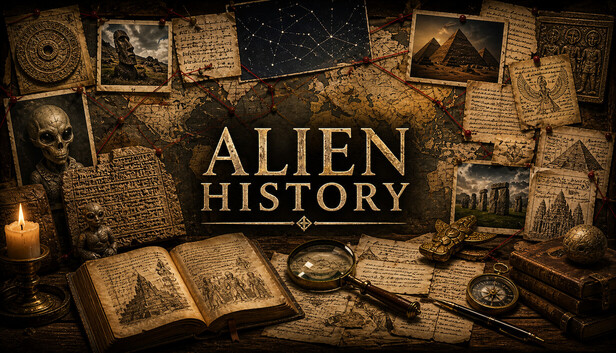
Alien History, a knowledge discovery game inspired by ancient astronaut theories, has been released on Steam. Players are challenged to think critically about the possibility of extraterrestrial presence in ancient civilizations.
Quick Context
Key angle: Alien History beginner guide, Alien History, Alien History Beginner and Alien. This section gives the quick context before the deeper breakdown.
Gameplay Mechanics 101
The game’s interface includes a map of the nine world regions you’ll be exploring. Familiarize yourself with this layout to navigate the game effectively.
Expert informants provide clues and insights about ancient civilizations, often revealing new information or raising questions that guide your investigation. Find them in various locations throughout the game, from temples to libraries.
Navigating the Map
The map is divided into nine world regions, each with its unique history, culture, and evidence of extraterrestrial presence. Take note of the different symbols and markers on the map, as they can indicate important locations or events.
As you explore each region, pay attention to the layout of the terrain, architecture, and artifacts. These can provide valuable clues about the civilization’s interactions with non-human entities.
Cracking the Code: Critical Thinking in Alien History
The gameplay mechanics encourage critical thinking and problem-solving skills. Look for anomalies and inconsistencies in artifacts and structures, as these can lead to new discoveries and insights.
Evidence is key to piecing together a larger picture of non-human intelligence. Gather information from various sources, including artifacts, texts, and oral traditions. Consider the context in which the evidence was collected and the credibility of each source. Are they reliable or biased? What are the implications of their statements for your investigation?
Deciphering Clues: Expert Informants
When encountering expert informants, pay close attention to their words and actions. They may provide cryptic clues or hints about ancient civilizations’ secrets, which you’ll need to decipher to progress through the game.
Consider the context in which the informant is speaking. Are they trying to mislead or reveal information? What are the implications of their statements for your investigation?
Exploring World Regions: A Closer Look
The game’s nine world regions each have unique histories, cultures, and evidence of extraterrestrial presence. Explore these regions carefully, paying attention to anomalies and inconsistencies that might reveal new insights.
Take note of the different types of artifacts and structures you encounter in each region. These can provide valuable information about the civilization’s interactions with non-human entities. For example, ancient structures like pyramids or temples may hold secrets about the civilization’s knowledge and technology. Similarly, artifacts such as sculptures or paintings may reveal information about their culture and beliefs.
Uncovering Evidence: The Importance of Context
Evidence is key to piecing together a larger picture of non-human intelligence. Gather information from various sources, including artifacts, texts, and oral traditions. Consider the context in which the evidence was collected and the credibility of each source. Are they reliable or biased? What are the implications of their statements for your investigation?
Expert Informants: The Key to Progress
When consulting expert informants, pay close attention to their words and actions. They may provide cryptic clues or hints about ancient civilizations’ secrets, which you’ll need to decipher to progress through the game.
Consider the context in which the informant is speaking. Are they trying to mislead or reveal information? What are the implications of their statements for your investigation?
✅ Verdict
With this guide, you'll be able to start your journey in Alien History with confidence, exploring nine world regions, consulting expert informants, and piecing together evidence of non-human intelligence.
 Tafa Mus
 Jakeyy