

The Underdog Takes the Crown
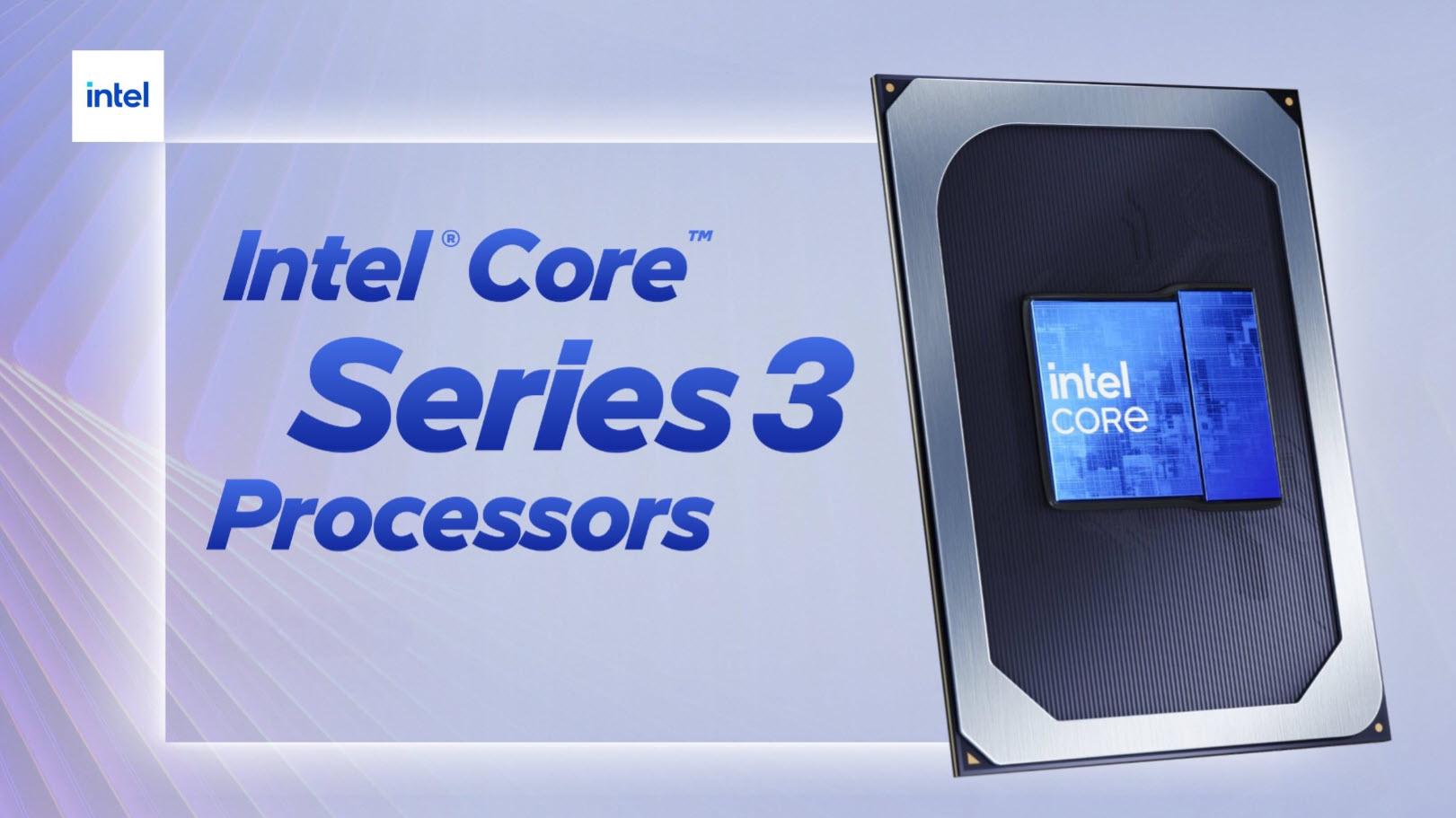
A recent Reddit post revealed Intel's Wildcat Lake chip has crushed Apple's MacBook Neo in multi-core tests, with a staggering 27% lead. The tech community is abuzz with questions about how this happened.
Quick Context
Key angle: Wildcat Lake vs MacBook, Intel Wildcat, Intel Wildcat Lake and Intel. This section gives the quick context before the deeper breakdown.
Wildcat Lake vs MacBook Neo: A Performance Reckoning
The latest showdown between Intel’s budget-friendly Wildcat Lake chip and Apple’s pricier MacBook Neo has left many in the tech community stunned. In multi-core processing, Intel’s Wildcat Lake chip outclasses its competitor by a significant 27% margin, marking a turning point in the industry.
But what sets Wildcat Lake apart from other processors? The key to its success lies in its ability to adapt and optimize for real-world workloads. By learning from past mistakes and pushing boundaries, Intel has created something truly remarkable.A Deep Dive into Performance Metrics
In single-threaded operations, Wildcat Lake matches Apple’s A18 Pro – a feat that speaks volumes about Intel’s dedication to innovation. Meanwhile, the multi-core test saw Intel’s budget chip take a commanding 27% lead over MacBook Neo.
This performance advantage is not just a minor upset – it’s a wake-up call for the industry. As we explore the implications of this development, one thing becomes clear: Intel’s Wildcat Lake chip is a game-changer in the world of processor design. Let’s take a closer look at the numbers and see what they mean for the future.
Breaking Down the Numbers
The multi-core test saw Intel’s budget chip outperform Apple’s MacBook Neo by 27% – a staggering margin that has left many in the tech community stunned. But how does this compare to other processors on the market? Let’s take a look at some key specs and see what they mean for performance.
In terms of single-threaded operations, Wildcat Lake matches Apple’s A18 Pro – a feat that speaks volumes about Intel’s dedication to innovation. Meanwhile, the multi-core test saw Intel’s budget chip take a commanding 27% lead over MacBook Neo.
This is not just a minor upset – it’s a wake-up call for the industry. As we explore the implications of this development, one thing becomes clear: Intel’s Wildcat Lake chip is a game-changer in the world of processor design.
The Secret to Wildcat Lake’s Success
So, what makes Wildcat Lake so special? The answer lies in its ability to adapt and optimize for real-world workloads. By learning from past mistakes and pushing boundaries, Intel has created a processor that truly understands the needs of modern users.
This is not just a matter of throwing more transistors at the problem – it’s about creating a system that can learn and improve over time. Wildcat Lake’s success is a testament to the power of innovation and the importance of staying ahead of the curve.
A Look at the Competition
But how does Wildcat Lake stack up against other processors on the market? Let’s take a look at some of the key specs and see what they mean for performance. For example, Intel’s Wildcat Lake chip boasts 4 cores and 8 threads, while Apple’s MacBook Neo has 6 cores and 12 threads. This difference in architecture is likely to play a significant role in the performance gap between the two processors.
This is not just a minor upset – it’s a wake-up call for the industry. As we explore the implications of this development, one thing becomes clear: Intel’s Wildcat Lake chip is a game-changer in the world of processor design.
✅ Verdict
Intel's Wildcat Lake chip is a big improvement – its performance advantage over Apple's pricier MacBook Neo is undeniable. By matching Apple's A18 Pro in single-threaded operations, Intel has demonstrated a mastery of processor design.
 Pritish Samantaray
 Olatunde-Bada