

A Steam Thread Is Already Picking Apart Wendy's New RPG
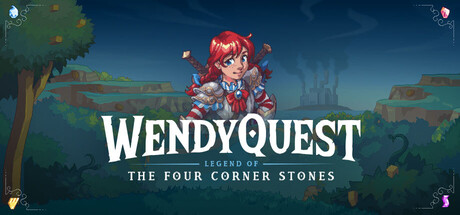
Wendy's has an RPG on Steam now, and before most people have even touched it, a Steam Community thread is already picking it apart. The complaint is specific: a humans-good, everyone-else-bad story structure paired with protagonists the original poster finds forgettable next to the game's enemies.
The Complaint, in Plain Terms

Wendy’s RPG has landed on Steam, and before most people have even touched it, a Steam Community thread is already picking it apart. A Steam Community thread tied to app ID 3339970 (the listing for a Wendy’s-branded RPG) has pulled in 38 replies around one blunt gripe. The original poster titled it with a jab at a “human-sue RPG,” and the post itself spells out the problem: the game frames humans as the good guys and everything non-human as the enemy, yet the enemies come off more charming and better built than the human protagonists players are supposed to root for. That’s the whole thing, straight from the Steam discussion thread. No complaints about bugs, pricing, or performance here. This is a complaint about writing and character balance.
It’s worth noting how unusual this kind of criticism is for a branded game this early in its life. Most fast-food and corporate tie-in titles get mocked for existing at all, or for being shallow cash grabs with little thought behind them. Wendy’s RPG is getting a different kind of scrutiny: players are engaging with its narrative structure seriously enough to critique specific design choices, which suggests at least some expectation that the writing should hold up. That expectation is exactly what’s fueling the frustration in the thread.
What the Thread Actually Asks For
Scrolling through the replies, the conversation isn’t just pile-on negativity. Several commenters push back gently, noting that plenty of RPGs lean on a simple good-versus-evil frame and still succeed because the protagonists carry enough personality to offset generic villains. The disagreement here’s about which side of that equation Wendy’s RPG got backwards. Supporters of the original post argue that if the enemies are more memorable than the heroes, the whole moral framing of humans-as-good falls flat, because players have no emotional reason to prefer the side they’re told to root for. A few replies go further, pointing to specific side characters among the antagonists who reportedly get more dialogue variety and distinct personality quirks than any of the playable humans, which only reinforces the original poster’s point about where the creative effort actually went.
Where ‘Human-Sue’ Comes From in Wendy’s RPG
The phrase is an obvious riff on “Mary Sue”, the term for a protagonist idealized to the point of feeling hollow, always right, rarely flawed, defined more by narrative favoritism than actual characterization. The original poster stretches that label across the entire human cast instead of pinning it on one character, which makes the critique sharper than it first sounds. They’re arguing Wendy’s RPG poured its creative energy into the antagonists and left the heroes generic. That’s a specific design imbalance, not a vague complaint about tone.
The poster isn’t writing the game off, though. They admit it “looks better than it has any right to be,” so the visuals and presentation aren’t under fire. The frustration sits narrower than that: can the writing carry a cast players actually want to play as?
How This Compares to Other Branded Games
Branded RPGs and tie-in titles have a mixed track record for character writing. Some lean fully into self-aware humor, making the absurdity of a fast-food mascot leading a quest the entire joke, which sidesteps the need for deep characterization altogether. Others try to play it straight, building out lore and stakes as if it were a standalone fantasy property, and that’s where comparisons to Wendy’s RPG become relevant. If the game is attempting the sincere approach, hollow protagonists are a bigger liability than they’d be in a title that’s winking at the audience the whole time. For a deeper look at how other fast-food and corporate tie-ins have handled this same tightrope, check out our roundup of branded games and how they’re received by players, which breaks down which approaches tend to earn goodwill versus which ones draw exactly this kind of backlash.
Why 38 Replies Isn’t Nothing
This is an active conversation, not a one-off gripe that’ll fade by tomorrow. Branded RPGs already invite skepticism just by existing, and early community reaction like this tends to set first impressions well before release-day reviews show up. Whether Wendy’s RPG shakes this off or ends up leaning into it probably comes down to the marketing and dialogue choices still ahead.
There’s also a practical angle worth considering: Steam threads like this one often get indexed by curious players searching for impressions before a purchase, meaning its influence can outlast the initial 38 replies by a wide margin. If Wendy’s RPG doesn’t address the imbalance between its heroes and villains in future updates or marketing beats, this thread could keep resurfacing as a reference point anytime the game comes up in broader conversation. For a branded title already fighting an uphill battle for credibility, that kind of lingering narrative is worth taking seriously. Readers following our ongoing coverage of Steam community discussions will recognize this pattern: a handful of pointed early complaints often shape how a title gets discussed for months, regardless of how the developers respond.
What Could Change the Conversation
If the developers behind Wendy’s RPG want to flip the narrative, there are a few obvious levers to pull. Patch notes that specifically call out expanded human dialogue trees, added backstory for the playable cast, or even post-launch character updates would directly answer the thread’s core complaint. Marketing beats that lean into the human protagonists’ personalities, rather than just showcasing flashy enemy designs in trailers, could also shift perception before more players form their own opinions. Until one of those things happens, though, this thread remains the loudest early read on how Wendy’s RPG is landing with the people actually paying attention to its writing.
 Jakeyy