

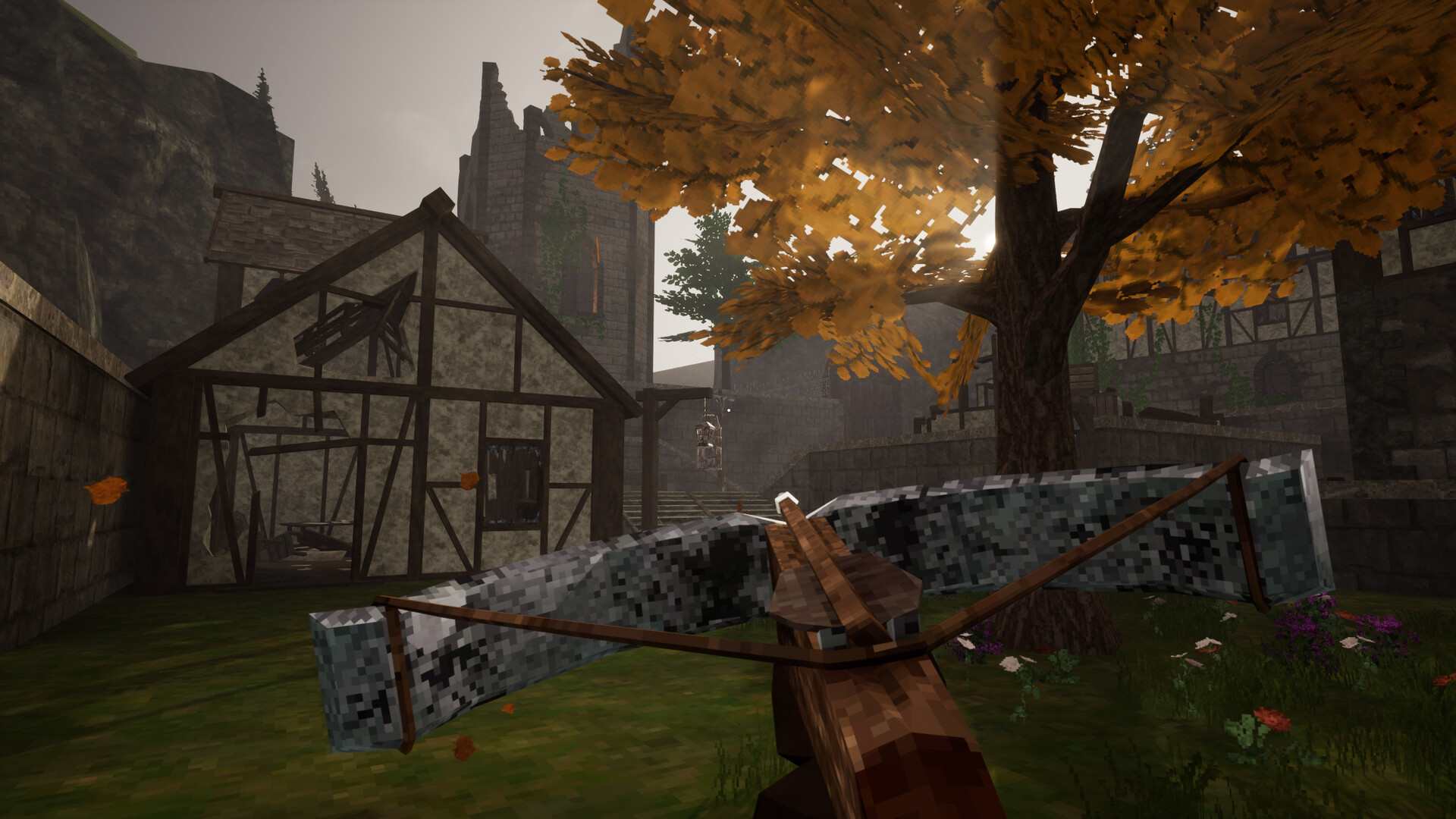
Steam users are speculating about Bloodspill's pricing model, with some worried it might follow live-service games' paid-with-fees approach.
Others think the developer will opt for a free-to-play model, à la Path of Exile or Dota 2.
The debate reflects the gaming industry's shift towards more revenue streams beyond one-time purchases.
Bloodspill's Pricing Model: A Free-for-All?
Players Speculate About Bloodspill’s Pricing Model
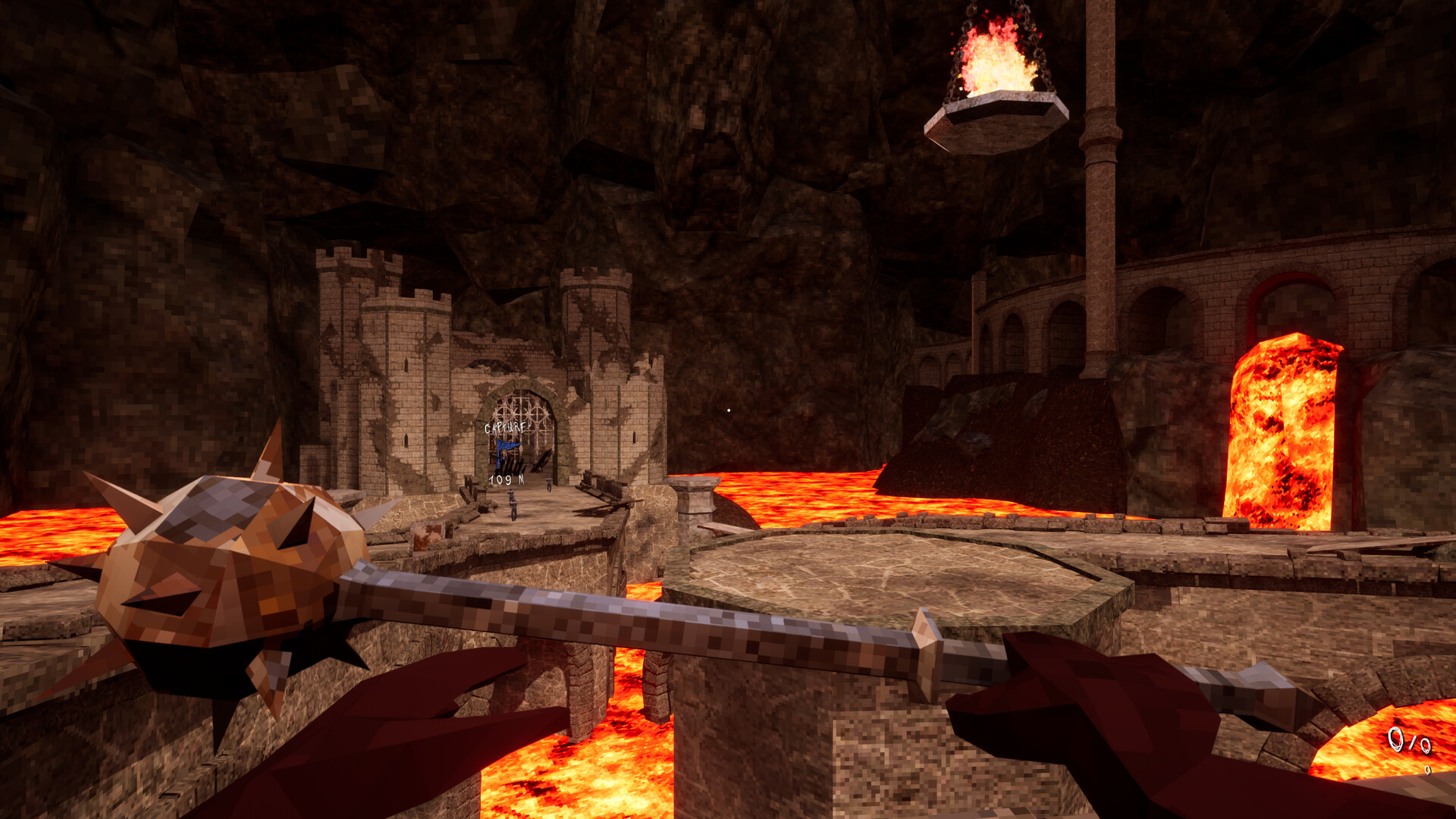
The rise of live-service games has sparked a heated debate among Steam users about Bloodspill’s potential pricing model. Some players worry that the game might follow in the footsteps of paid-with-fees live-service games, while others believe it will adopt a free-to-play model à la Path of Exile or Dota 2. This conundrum reflects the gaming industry’s shift towards more revenue streams beyond one-time purchases.
Notable examples of successful free-to-play models include Path of Exile and Dota 2, both of which have seen significant player engagement and retention over time. If Bloodspill were to adopt a similar approach, it could lead to more games being released without upfront costs. This could be beneficial for players who want to try new games without committing to a purchase.
The Developer’s Dilemma: Balancing Revenue Streams
The developer’s decision will likely be influenced by factors such as player expectations, gaming industry trends, and the success of similar titles. On one hand, a free Bloodspill would mean that players can access its content without an initial purchase price. However, this could lead to worries about aggressive microtransactions or pay-to-win models.
On the other hand, if Bloodspill adopts a paid model with ongoing fees or subscriptions, it may deter some players who are not willing to commit to a recurring cost. This could impact the game’s overall player base and revenue potential. The developer must weigh these factors carefully to ensure that their pricing model aligns with their business goals and player expectations.
The Impact of Free-to-Play Models on Player Expectations
Players’ expectations are changing, and many now expect games to offer more value for their money. A free Bloodspill could be seen as a way to meet these expectations, but it also raises concerns about the potential for aggressive monetization tactics.
The shift towards free-to-play models has been driven by the success of games like Path of Exile and Dota 2. These titles have shown that it is possible to create engaging and profitable games without upfront costs. However, this approach also requires careful management of microtransactions and other revenue streams to avoid alienating players.
What Does This Mean for Bloodspill’s Pricing Model?
The developer must balance the need to generate revenue with the desire to provide a fair and appealing pricing model for players. A free Bloodspill could be seen as a way to attract more players, but it also raises concerns about the potential for aggressive monetization tactics.
In conclusion, Bloodspill’s pricing model remains uncertain, but Steam discussions offer valuable insights into gaming industry trends and player expectations. As the game’s developer navigates these complexities, they must prioritize creating a fair and appealing pricing model that meets the evolving needs of players.
The Gaming Industry’s Shift Towards Free-to-Play Models
The rise of free-to-play models has been driven by the success of games like Path of Exile and Dota 2. These titles have shown that it is possible to create engaging and profitable games without upfront costs. However, this approach also requires careful management of microtransactions and other revenue streams to avoid alienating players.
In fact, some studies have shown that free-to-play models can lead to higher player engagement and retention rates compared to paid models. This could be due to the fact that players feel more invested in the game when they don’t have to pay an upfront cost.
However, it’s worth noting that not all free-to-play models are created equal. Some games may use aggressive monetization tactics, such as loot boxes or pay-to-win mechanics, which can alienate players and damage the game’s reputation.
The Potential Impact on Player Expectations
Players’ expectations are changing, and many now expect games to offer more value for their money. A free Bloodspill could be seen as a way to meet these expectations, but it also raises concerns about the potential for aggressive monetization tactics.
The developer must balance these competing demands to create a pricing model that is fair and appealing to players. This may involve offering in-game purchases or subscriptions that provide additional value to players without alienating them with aggressive monetization tactics.
Related Reading: The Future of Gaming Business Models
For more insights on the gaming industry’s shift towards free-to-play models, check out our article The Evolution of Gaming Business Models: Trends and Strategies for Success. This in-depth guide explores the latest trends and strategies for game developers to create engaging and profitable games without upfront costs.
✅ Verdict
The fate of Bloodspill's pricing model remains uncertain, but Steam discussions offer valuable insights into gaming industry trends and player expectations.
 Pritish Samantaray
 Olatunde-Bada