

You've mastered the basics of designing efficient interchanges.
Now it's time to optimize road networks, manage traffic flow, and create sustainable transportation systems that work.
Engineering in Jammed Mastering Advanced Traffic
Interchange Overhaul
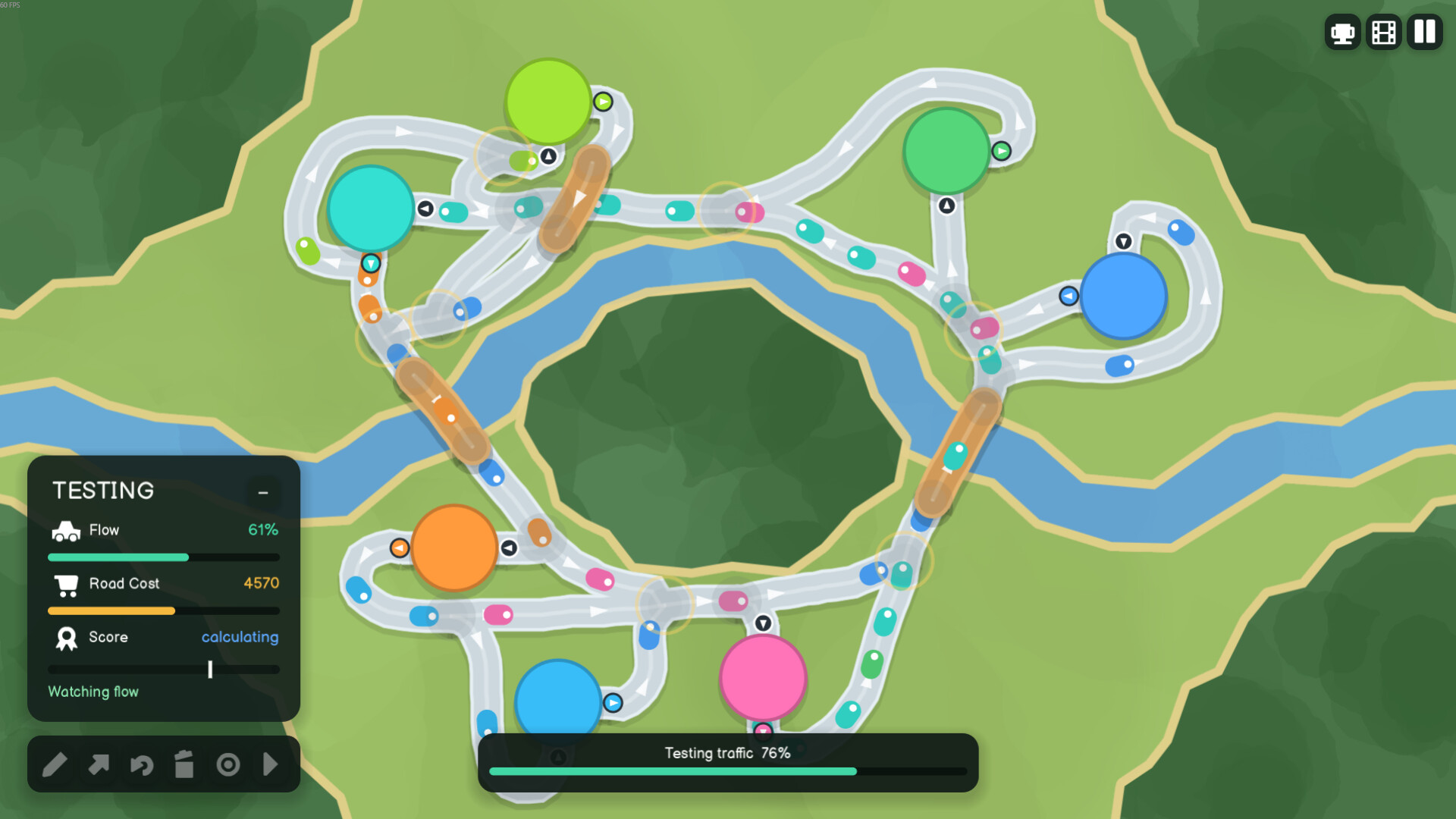
Jammed‘s interchange designs are ripe for experimentation. Try something new: a parclo or a stack interchange.
Analyze traffic patterns and optimize your design using Jammed’s built-in tools. It’s about creating roads that breathe, saving commuters from daily torture, and making aesthetics secondary to functionality.
Design Considerations
When experimenting with new interchange designs, consider the following factors:
- Road geometry: Ensure that road curves and angles are optimized for safety and efficiency.
- Traffic volume: Analyze traffic patterns on the fly to determine the best design configuration.
Analyze your design using Jammed’s built-in tools, taking into account factors like road capacity, traffic volume, and pedestrian traffic. This will help you create roads that are sustainable, efficient, and safe – not just optimized for speed or congestion reduction.
Taming the Beast
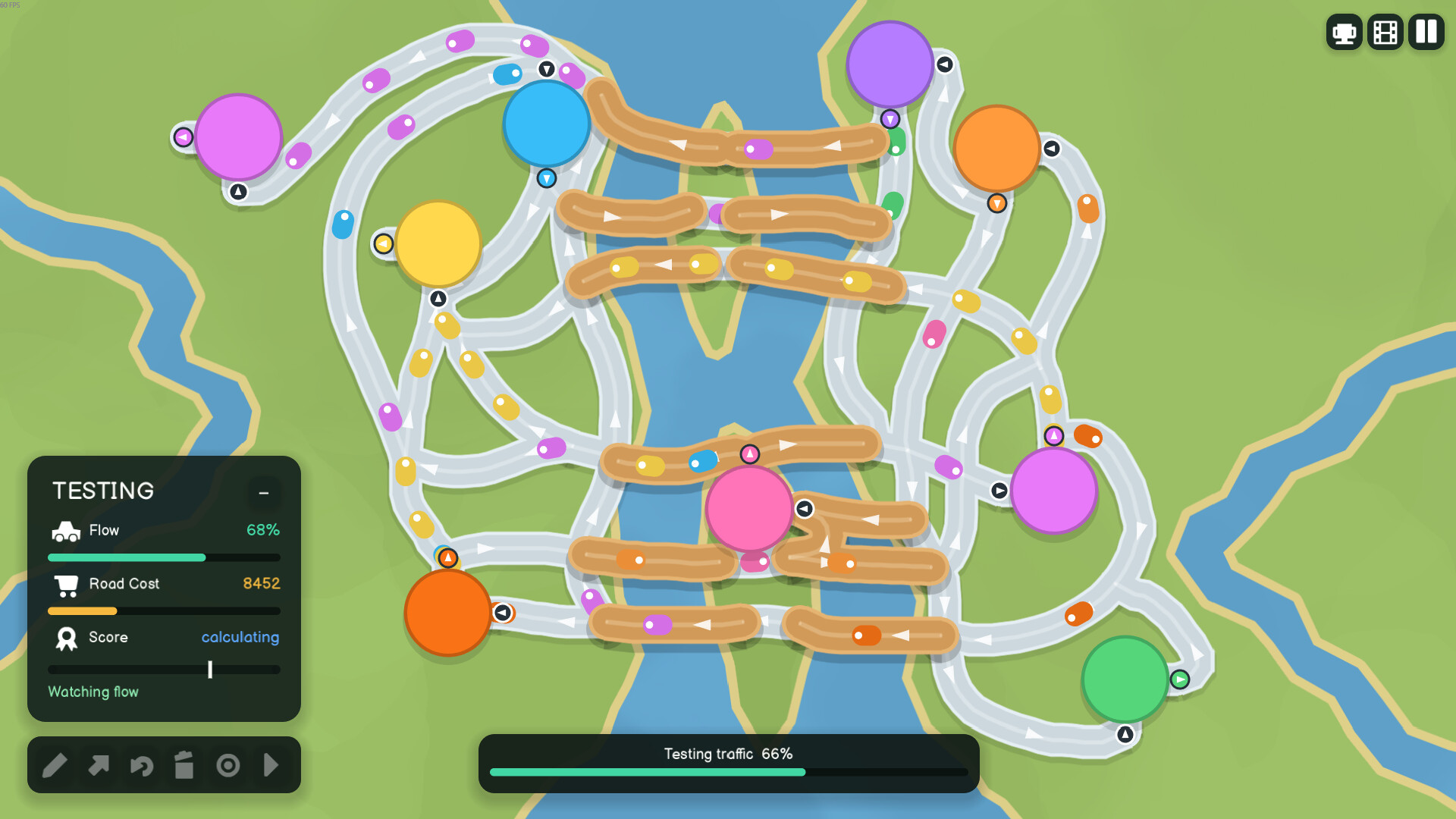
Managing traffic flow isn’t just a numbers game; it’s an art of balance. Analyze road capacity, traffic volume, and pedestrian traffic to create harmony – or at least minimize chaos.
The key? Designing roads that are sustainable, efficient, and safe, not just optimized for speed or congestion reduction. In Jammed, this means considering the following factors:
Key Performance Indicators
- Road capacity: Roadways must handle expected volumes without bursting – a rare achievement in Jammed.
- Traffic volume: Analyzing traffic patterns on the fly isn’t easy but vital for success.
- Pedestrian traffic: Pedestrians aren’t afterthoughts – make sure they’re considered in your design.
By paying attention to these factors, you might create a transportation system that’s greater than its parts – a rare achievement indeed. And with Jammed advanced techniques, you’ll be well on your way to mastering the art of traffic engineering.
Jammed Advanced Tips for Network Optimization
In Jammed, optimizing road networks is about creating functional systems. Experiment with different road types: highways, local roads, or something new.
The results? Reduced congestion, improved air quality, and maybe even saved lives. But how do you achieve this in practice?
Optimization Strategies
- Reduced congestion: The holy grail of transportation engineering – can you achieve it in Jammed using advanced techniques?
- Improved safety: Pedestrians, cyclists, and drivers deserve better – let’s make that happen with sustainable transportation systems.
Greenspace and pedestrian-friendly infrastructure aren’t nice-to-haves; they’re essential for sustainable transportation systems. Try incorporating them into your design – it might change the game. And remember, mastering Jammed advanced tips is all about finding that balance between functionality and aesthetics.
Traffic Flow Management
Managing traffic flow in Jammed requires a deep understanding of road capacity, traffic volume, and pedestrian traffic. It’s not just about throwing more roads at the problem – it’s about creating harmony among these factors.
One key aspect to consider is the role of greenspace in managing traffic flow. Incorporating parks, bike lanes, and pedestrian-friendly infrastructure can help reduce congestion and improve air quality.
Another important factor is the use of advanced analytics tools to optimize road design. Jammed’s built-in tools allow you to analyze traffic patterns on the fly and make data-driven decisions about your design.
Traffic Volume Analysis
Analyzing traffic volume in Jammed requires a combination of art and science. You need to balance the needs of commuters, pedestrians, and cyclists while also ensuring that roadways can handle expected volumes without bursting.
One strategy for managing traffic volume is to use dynamic pricing systems that adjust tolls based on real-time traffic conditions. This can help reduce congestion during peak hours and encourage more efficient travel patterns.
Another approach is to prioritize public transportation options, such as buses and trains, which can help reduce the number of private vehicles on the road and alleviate congestion.
Sustainable Transportation Systems
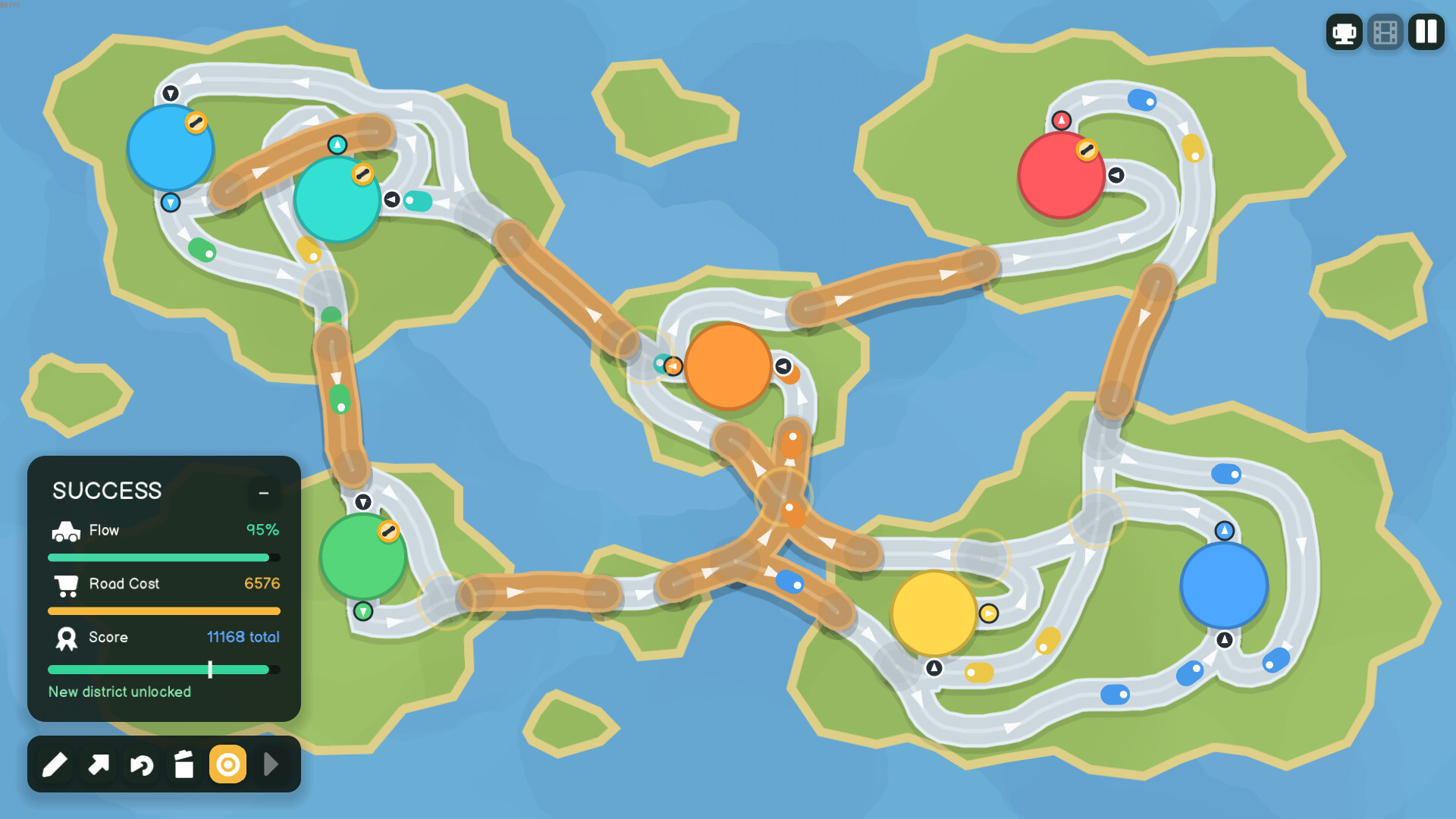
In Jammed, creating sustainable transportation systems requires a holistic approach that considers the needs of all users – commuters, pedestrians, cyclists, and drivers alike. It’s not just about building more roads or increasing speed limits – it’s about designing systems that are efficient, safe, and environmentally friendly.
One key aspect to consider is the role of green infrastructure in managing traffic flow. Incorporating parks, bike lanes, and pedestrian-friendly infrastructure can help reduce congestion and improve air quality.
Another important factor is the use of advanced analytics tools to optimize road design. Jammed’s built-in tools allow you to analyze traffic patterns on the fly and make data-driven decisions about your design.
Real-World Applications
Let’s take a closer look at some real-world examples where Jammed advanced techniques have been successfully implemented:
- The city of Tokyo has integrated green infrastructure into its transportation system, resulting in reduced congestion and improved air quality.
- In the United States, cities like New York and Los Angeles are prioritizing public transportation options to reduce private vehicle usage and alleviate congestion.
These examples demonstrate the potential for Jammed advanced techniques to create sustainable transportation systems that benefit all users. By incorporating green infrastructure and optimizing road design using advanced analytics tools, you can create roads that breathe, save commuters from daily torture, and make aesthetics secondary to functionality.
✅ Verdict
With these expert tips, you'll minimize congestion and improve air quality in your complex road networks.
 Olatunde-Bada
 Jakeyy
 Andrej